Make Your Yard Safer by Removing Risky Limbs and Improving Tree Health
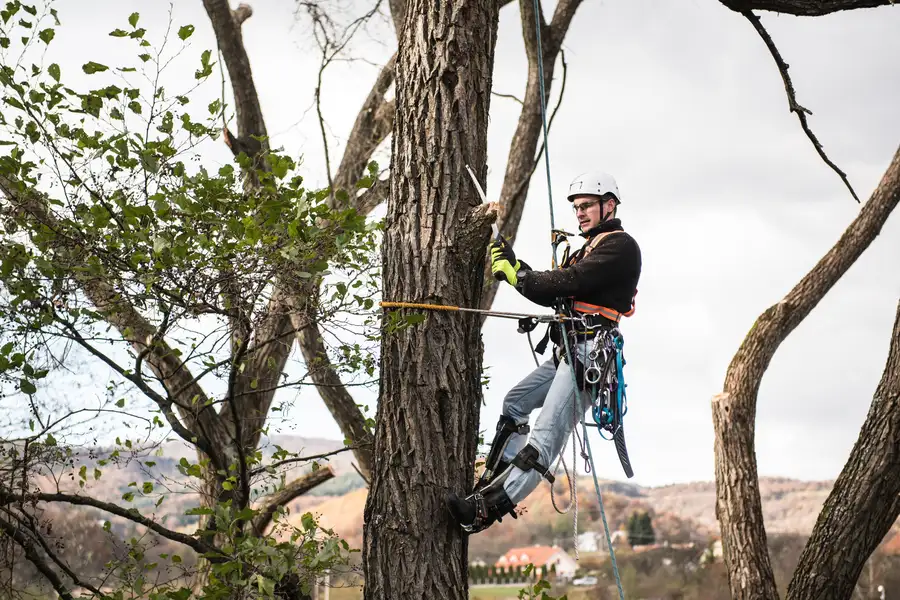
Professional tree trimming helps improve yard safety by removing weak, dead, or overgrown branches before they fall or cause damage. It can lower the risk of injury, protect your home and cars, and make walkways, play areas, and driveways safer to use. In places like Acworth, GA, regular care also helps trees stay healthier during storms, windy days, and seasonal growth changes.
Why Prevention Matters
Yard hazards often build up slowly. A branch may crack after a storm. Limbs may grow too close to a roof. Low branches can block sight lines near a driveway or sidewalk. These problems may seem small at first, but they can turn into real safety risks over time. Regular tree trimming helps prevent accidents before they happen.
It also supports the tree’s health. When dead or crowded limbs are removed, the tree can grow in a stronger shape. That means less stress on heavy branches and a lower chance of breakage. Good care can also help sunlight reach your lawn and other plants below.
Early Warning Signs
Some signs are easy to spot from the ground. Others are harder to notice until the problem gets worse. Knowing what to watch for can help you act before a limb falls or a tree becomes unstable.
- Dead branches with no leaves during the growing season
- Cracks where large limbs join the trunk
- Branches hanging over your roof, driveway, or power lines
- Low limbs blocking paths, play spaces, or views
- Rubbing branches that wear away bark
- Heavy growth on one side of the tree
- Broken limbs after wind or storm damage
If you see one or more of these signs, it may be time to schedule tree trimming. Quick action can help stop a small issue from turning into a dangerous one.
Seasonal or Routine Checklist
A simple routine can make yard safety easier to manage. Trees change through the year, so it helps to look at them often. A basic check each season can reveal weak spots, storm damage, or overgrowth before they create problems.
- Walk your yard and look up at major limbs.
- Check for dead wood, hanging branches, or split limbs.
- Look near the house, fence, shed, and driveway for limb clearance.
- Notice whether branches touch utility lines or block outdoor lights.
- Inspect paths and play areas for low growth.
- After storms, check again for fresh cracks or broken limbs.
- Set a regular schedule for pruning and general service category care.
Late winter and early spring are common times for trimming many trees, but timing depends on the tree type, condition, and recent weather. Some trees respond better at other times of year. A routine check helps you catch the right timing.
Best Practices for Long-Term Results
Good trimming is not just about cutting back branches. The goal is to improve structure, remove risk, and support healthy growth. Clean cuts in the right place matter. So does removing the right amount without overcutting.
It helps to focus on problem areas first. Dead limbs, damaged branches, and crossing growth should get attention before purely cosmetic shaping. Clearance around roofs, garages, patios, and walkways also matters. When a tree has room to grow without rubbing buildings or blocking access, the whole yard works better.
Long-term results also come from regular upkeep. Trees that are trimmed on a schedule are often easier to manage than trees left alone for many years. Small cuts made at the right time usually heal better and create less stress than major cuts made too late.
What Not to Do
Some trimming mistakes can make a tree less safe, not more safe. Cutting too much at once is a common error. It can weaken the tree and cause fast, weak regrowth. Topping is another problem. This means cutting off large sections of the crown without proper structure in mind. Topping often leads to poor growth and higher break risk later.
It is also risky to climb ladders with saws, work near power lines, or remove heavy limbs without the right tools and training. Large branches can swing, split, or fall in ways that are hard to predict. Even a small mistake can damage a roof, fence, or parked car.
Another mistake is waiting too long. People sometimes ignore warning signs until a storm exposes the problem. By then, the work may be more urgent and the risk much higher.
When to Schedule Professional Help
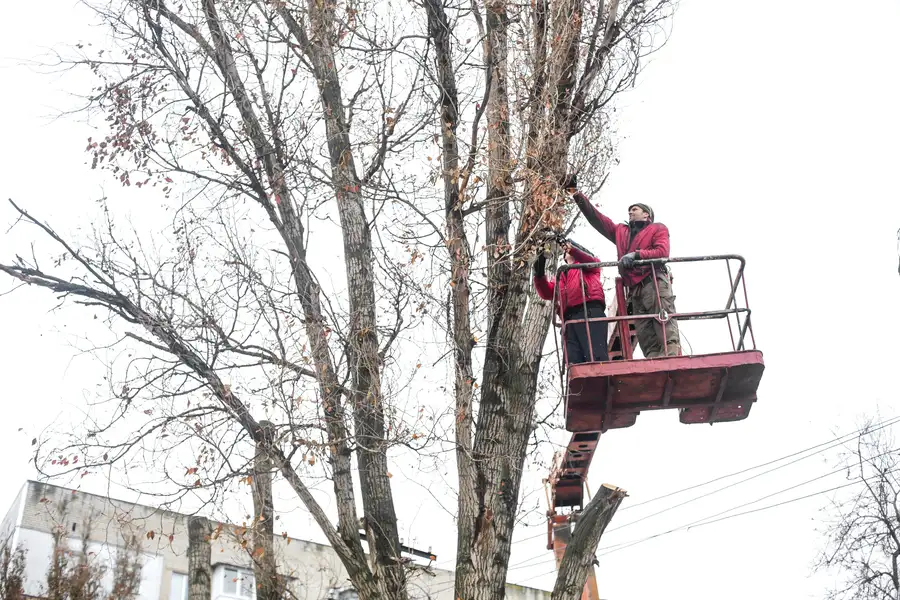
Some trimming jobs are simple, but many are not. Professional help is a smart choice when trees are large, close to buildings, or near utility lines. It also makes sense when branches are already cracked, storm-damaged, or too high to reach safely.
A trained crew can spot structural problems that homeowners may miss. They can also remove limbs in a controlled way that protects nearby surfaces and landscaping. If your yard has mature trees near areas where people walk, park, or play, regular expert care can lower risk and help you avoid surprise damage.
You may want to schedule an inspection if:
- A limb hangs over your home or driveway
- You see signs of disease or decay
- A recent storm left broken or twisted branches
- The tree leans or has uneven weight
- You have not had tree trimming done in several years
Get Help Before Small Tree Problems Grow
If you want safer outdoor spaces in Acworth, GA, we can help check your trees and spot problem limbs before they cause damage. At Vasquez Landscaping LLC, we offer practical care that fits your yard’s needs. Call us at (770) 520-5495 to schedule service or ask about the best time for tree trimming on your property.