
How a Simple Ground Cover Helps Soil Stay Damp and Healthy
Mulching helps soil hold water longer, stay cooler, and break down less from sun, wind, and hard rain. It also helps the ground keep a better structure, which supports root growth and useful soil life. For homes and yards in Acworth, GA, this can mean less watering, fewer weeds, and plants that handle hot, dry days better.
Quick Diagnosis Summary
If soil dries out fast, turns hard, or looks weak and dusty, the ground may be losing moisture too quickly. Bare soil often heats up, crusts over, and washes away in rain. A layer of mulch slows these problems down. It acts like a cover that protects the surface while helping the soil under it stay more even from day to day.
Common Symptoms
Many yards show signs that the soil needs help, even when plants are still alive. The early clues are often easy to spot. You may see water run off instead of soaking in. You may notice cracks in flower beds or roots near the surface. Plants may droop by afternoon, then perk up at night. These are signs that the ground is losing water fast and not holding the right balance for strong growth.
- soil feels dry soon after watering
- weed growth spreads fast in open beds
- the top layer turns hard or crusty
- rain splashes dirt onto leaves and stems
- plants need frequent watering to look healthy
- slopes show small washout lines after storms
Likely Causes
Bare ground is the main cause in many cases. Without a protective layer, the sun heats the soil and pulls water out faster. Wind also dries the surface. Heavy rain can beat down on open beds and break apart the top layer. That makes it harder for water to sink in later. Poor soil with low organic matter has an even harder time holding moisture.
The type of mulch matters too. Some materials break down and feed the soil over time. Others mainly cover the surface. Wood chips, bark, straw, and shredded leaves can all help when used the right way. In the right service category, landscape bed care often includes picking a mulch type that fits the plants, slope, and drainage needs of the yard.
What to Check First
Before adding mulch, check how the bed works now. Look at the soil texture. Is it sandy and fast-draining, or heavy and packed? Check the slope. Water moves away faster on hills. Look near trees and shrubs to see if roots are exposed. Also check the current mulch depth if there is already some in place. Too little may not help much. Too much may trap too much moisture near stems or reduce airflow.
- pull back a small area and feel the soil a few inches down
- watch how water moves after a light watering
- look for weeds, crusting, and runoff marks
- measure mulch depth in a few spots
- keep mulch away from trunks and stems
Safe Fixes Vs Pro-Level Fixes
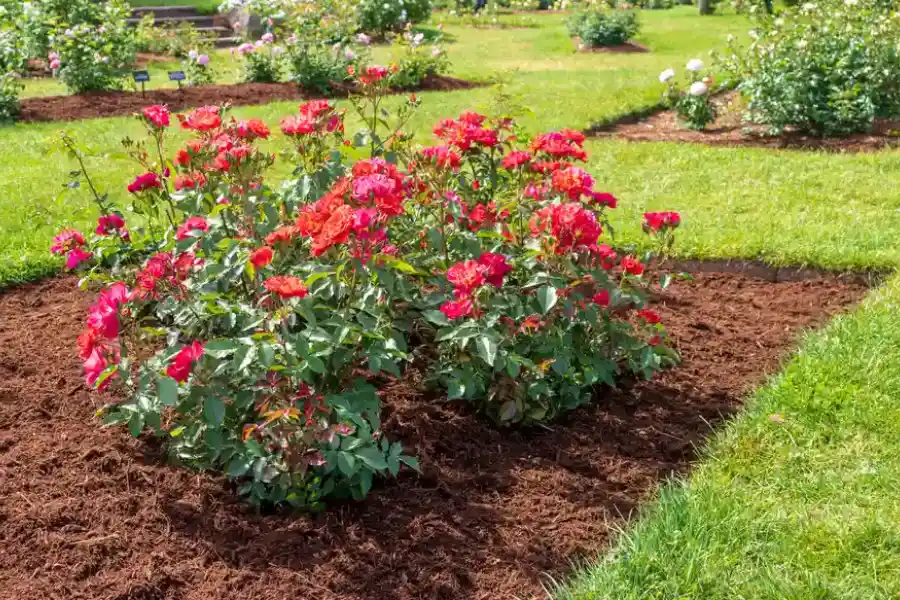
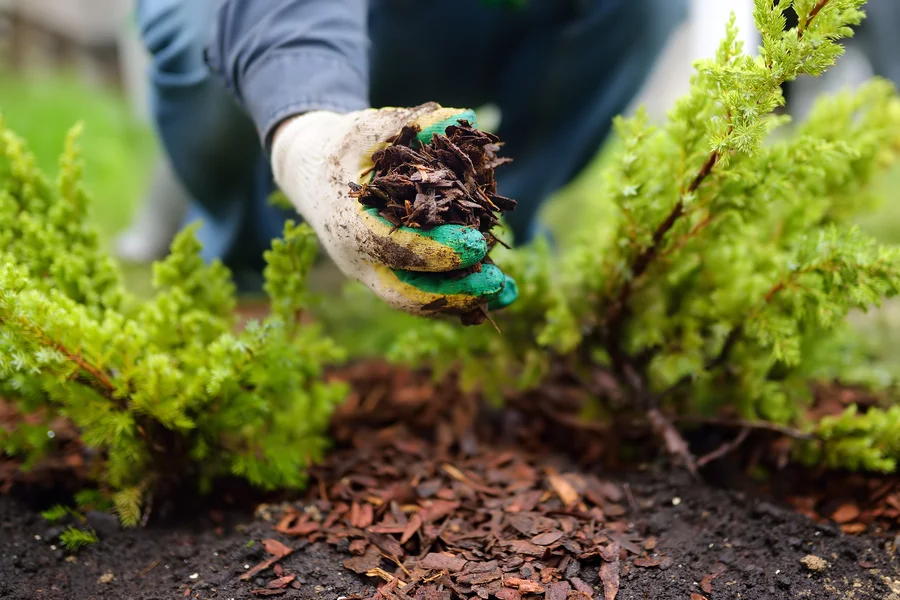
Some fixes are simple for a homeowner. Adding a fresh, even layer of mulch around beds can help right away. A depth of about two to three inches is common for many planting areas. Spreading it evenly helps reduce dry spots. Keeping it a few inches away from tree trunks and plant crowns also helps prevent rot and pest issues.
Other problems may need skilled help. If water always runs off, the grade may be wrong. If the soil is badly compacted, roots may not get enough air or water even with mulch on top. If beds stay soggy, there may be drainage trouble that mulch alone will not fix. Large properties, steep slopes, and beds with erosion damage may also need a more planned approach.
Prevention Tips
mulching works best as part of simple routine care. It is not just about looks. It helps create a more steady soil environment over time. As organic mulch breaks down, it can improve soil texture and support worms and other helpful life in the ground. That change can make future watering more effective.
- refresh mulch when the layer gets thin
- water deeply instead of lightly and often
- remove weeds before adding new material
- do not pile mulch against bark or stems
- use the right mulch for the bed and plant type
- check beds after storms for washout or shifting
It also helps to match mulch use to the season. In hot months, it cuts water loss from the surface. In cooler months, it can soften temperature swings in the root zone. On garden beds, it can reduce mud splash and help keep soil in place. Around shrubs and trees, it can limit mower damage by creating a clear bed edge.
Final Recommendation
If soil in Acworth, GA dries out too fast, washes away, or seems worn down, a well-placed mulch layer can make a real difference. We at Vasquez Landscaping LLC can help check what your yard needs and apply mulch the right way for healthier beds and longer-lasting moisture. Call us at (770) 520-5495 to talk with our team and set up a visit.